Zandvoort Is No Easy Ride!

Mukesh Kumar
| 19-08-2026
 · Travel Team
Hello Lykkers! Imagine attacking a corner at high speed while the track rises beneath the car, the next turn arrives almost immediately, and the circuit offers barely any time to catch a breath. That is Zandvoort.
The home of the Formula 1 Heineken Dutch Grand Prix is not the longest or widest circuit on the calendar, but it has something many modern venues struggle to create: personality. Drivers have described it as “quick,” “crazy,” “insane,” and “old-school,” and once a lap begins, it becomes easy to understand why.
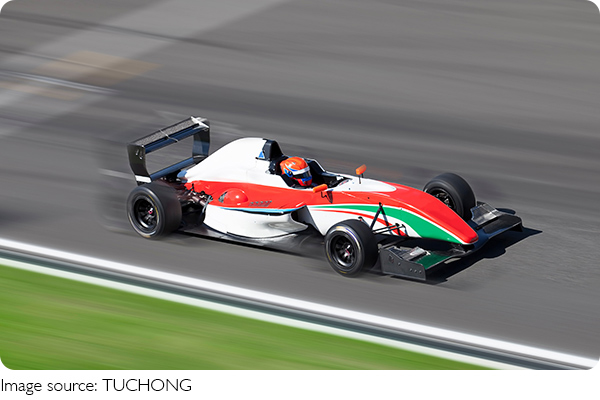
A Track That Never Really Lets Up
Zandvoort's biggest attraction is its rhythm. The corners are closely connected, meaning a mistake in one section can compromise the next. Drivers cannot simply brake, turn, accelerate, and reset their minds for the next corner. The lap requires constant attention. A good line through one turn can set up the following section, while carrying too much speed or running slightly wide can quickly ruin the rhythm.
That flowing character is one reason drivers often enjoy racing at Zandvoort. The circuit rewards commitment rather than simply relying on long straights and heavy braking zones. For spectators, it creates an exciting visual experience too. Formula 1 cars disappear behind rises in the track before suddenly reappearing at speed, making the circuit feel alive throughout the lap.
The Sand Dunes Are Part of the Experience
Zandvoort would not be Zandvoort without its unusual surroundings. The circuit winds through coastal sand dunes, and the natural landscape plays a major role in its identity. The elevation changes are not simply artificial features added to make the track more challenging. They are part of what makes the venue feel different from many newer circuits.
The result is a lap with constant movement. The cars climb, descend, turn, and change direction while drivers search for the perfect balance between speed and control. It also means that watching a lap on a circuit map does not fully capture what drivers experience behind the wheel. The physical changes in elevation make the track feel much more dramatic at racing speed.
Tarzan Corner: The Banking That Gets Attention
Then comes one of Zandvoort's most famous features: Tarzan Corner. Before Formula 1 returned to the circuit, Zandvoort underwent significant modernisation. One of the most striking changes involved increasing the banking at Tarzan Corner to 18 degrees. That is an extraordinary angle for a Formula 1 circuit and gives the corner a distinctive character. The steep banking changes the way the car approaches and exits the turn, adding another layer to a circuit already packed with challenges.
It is also a perfect example of what makes Zandvoort special. The circuit has been updated for modern Formula 1, yet it has managed to preserve much of the character associated with classic racing tracks.
Why Drivers Call It “Old-School”
Modern circuits often feature wide asphalt, large run-off areas, and layouts designed with overtaking opportunities in mind. Zandvoort feels much more intimate. The track is relatively narrow in places, the corners come quickly, and mistakes can be punished. Drivers need to be precise because there is not always plenty of space to recover from an imperfect line.
That old-school feeling is part of the attraction. Zandvoort asks drivers to commit to corners rather than simply manage a series of braking zones. It can also make qualifying especially important. When overtaking is difficult, starting position can have a major influence on the race. A driver who finds the perfect lap on Saturday may give the team a significant strategic advantage before Sunday's Grand Prix has even begun.
A Serious Test for the Car Too
Zandvoort does not only test the driver. Engineers face their own puzzle when preparing the car. The circuit's fast corners demand aerodynamic performance, while the changes in elevation require a car that remains stable as it moves through the different sections. Finding the right setup can become a delicate compromise between outright speed and confidence. Tire management can also become important during a race. The flowing corners place sustained demands on the tires, making the team's approach to strategy another piece of the puzzle.
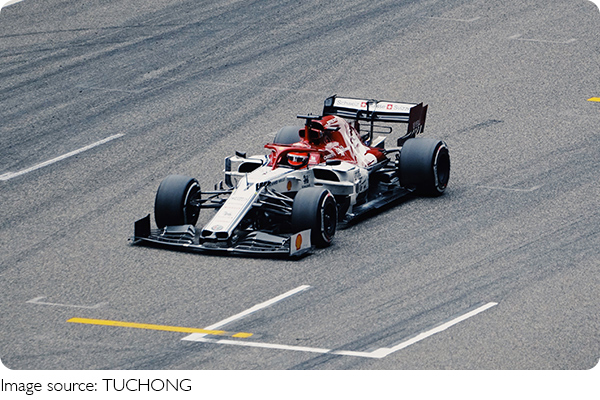
Zandvoort stands out because it feels like a circuit with a story. It is quick enough to make drivers commit, technical enough to punish mistakes, and unusual enough to remain memorable long after the chequered flag falls. And when those cars charge into the steeply banked corners at full racing speed, one thing becomes clear: Zandvoort may look beautiful from the outside, but behind the wheel, it is anything but easy.