SUV Size Guide

Caroll Alvarado
| 31-08-2026
 · Vehicle Team
Choosing the right SUV size starts with understanding how each category fits into everyday life.
Compact, midsize, and large SUVs differ in passenger capacity, cargo room, exterior dimensions, maneuverability, and operating costs.
The ideal choice depends on your household, driving environment, and the amount of space you genuinely need.
Compact SUVs
Compact SUVs offer a practical combination of interior versatility and manageable dimensions. Their smaller footprint makes them convenient for parking, urban streets, and routine commuting, while their raised seating position and flexible cargo areas provide useful everyday functionality.
Although they have less space than larger SUVs, many compact models can comfortably accommodate small families, groceries, luggage, and daily essentials. Depending on the vehicle and powertrain, they may also offer lower fuel consumption and purchase costs than larger alternatives.
For drivers who prioritize easy maneuverability without giving up the practicality of an SUV, the compact category can be an excellent fit.
Midsize SUVs
Midsize SUVs provide additional passenger and cargo capacity while remaining more manageable than many large models. This makes them particularly suitable for families, longer journeys, and drivers who regularly transport several passengers or larger loads.
The second row generally provides more room than a compact SUV, and some models include a third row. However, third-row space varies considerably, so buyers should check the actual seating dimensions before making a decision.
A midsize SUV can be a strong choice for drivers who need meaningful additional capacity without moving to the largest vehicle category.
Large SUVs
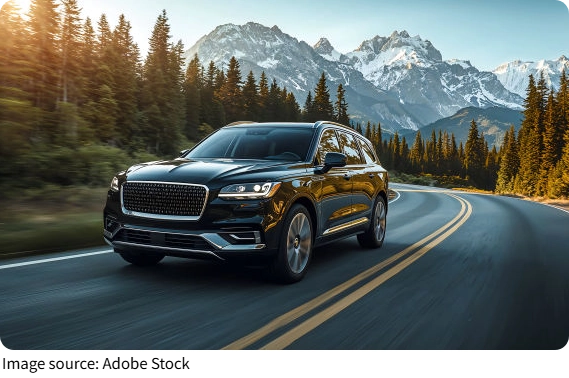
Large SUVs prioritize passenger capacity and cargo versatility. Many offer three rows of seating and substantial storage space, making them well suited to larger households, group travel, and activities that require considerable equipment.
Their larger exterior dimensions can make tight parking areas, narrow streets, and confined spaces more challenging to navigate. They may also have higher purchase and running costs, although these depend on factors such as the engine, powertrain, vehicle weight, equipment, and driving conditions.
For households that regularly use three rows or carry substantial amounts of cargo, the additional capacity can justify the larger footprint.
Interior Space and Comfort
The most noticeable difference between SUV categories is the amount of usable interior space. Compact SUVs are generally designed around everyday practicality, while midsize models provide more room for passengers and belongings.
Large SUVs typically offer the greatest overall capacity, particularly when several passengers are traveling with luggage. However, the category alone does not determine comfort. Seat design, legroom, headroom, cabin layout, and cargo configuration vary from one vehicle to another.
When comparing models, check their published passenger and cargo measurements rather than relying solely on the compact, midsize, or large label.
Maneuverability and Driving
SUV dimensions have a direct effect on everyday maneuverability. Compact models are generally easier to position in parking spaces and navigate through confined areas. Midsize SUVs provide a compromise between interior capacity and manageable dimensions, while large models require greater awareness of their width, length, and turning space.
Driving characteristics also vary within each category. Suspension design, wheelbase, steering, vehicle weight, and powertrain all influence how an SUV feels on the road. For this reason, a test drive can be valuable when two vehicles of similar size feel noticeably different behind the wheel.
Efficiency and Ownership
Vehicle size can influence fuel consumption, purchase price, insurance, tires, and other ownership expenses, but size alone does not determine total cost. Engine design, powertrain technology, vehicle weight, equipment, maintenance requirements, and driving habits can all affect long-term expenses.
A smaller SUV may therefore be more economical in some situations, while a larger model may provide capabilities that justify its additional cost for drivers who regularly use the extra capacity.
Finding the Right Size
The best SUV is not necessarily the largest or smallest option. Start by considering how many passengers you normally carry, how much cargo you transport, where you drive, and how often you use the vehicle for longer journeys.
A compact SUV can suit drivers who value maneuverability and straightforward daily practicality. A midsize model can provide additional flexibility for families and frequent travel. A large SUV becomes more relevant when substantial passenger and cargo capacity is a regular requirement.
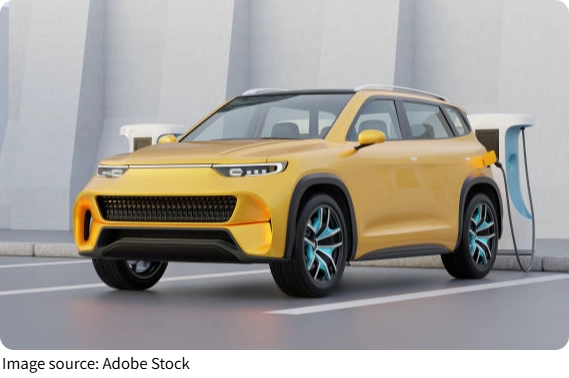
Compact, midsize, and large SUVs serve distinct everyday needs. Compact models emphasize maneuverability and efficient use of space, midsize SUVs provide a broader balance of capacity and practicality, and large SUVs prioritize generous seating and cargo room.
The most useful comparison goes beyond the category name. Evaluate actual interior dimensions, cargo capacity, exterior size, powertrain, fuel requirements, and expected running costs. Choosing according to your real driving needs can give you the right combination of space, comfort, and practicality without paying for capacity you rarely use.