Motorcycle Posture & Back

Ravish Kumar
| 31-08-2026
 · Vehicle Team
A motorcycle’s riding position affects more than handling and appearance—it also determines how your body is positioned throughout a ride.
Standard, sport, and cruiser motorcycles use different combinations of seat height, handlebar reach, and foot-control placement.
These ergonomic differences can influence posture, muscle workload, and overall comfort, particularly when riding for extended periods.
Standard Motorcycles
Standard motorcycles generally provide an upright riding position, with the handlebars at a moderate height and the foot controls positioned relatively close to the rider. This arrangement allows the torso to remain fairly upright and gives the legs a useful role in supporting the body.
For many riders, this provides a practical balance between comfort and control. However, the experience depends on the motorcycle’s dimensions, seat design, suspension, and the rider’s individual proportions.
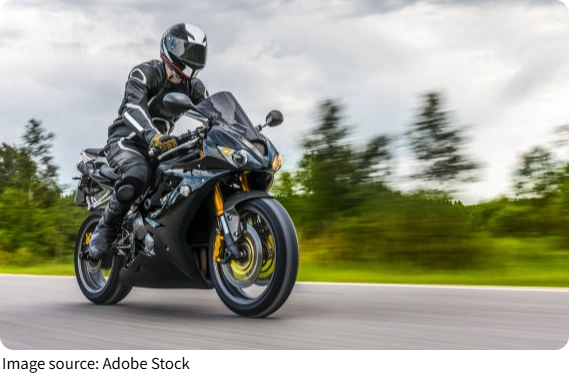
Sport Bikes
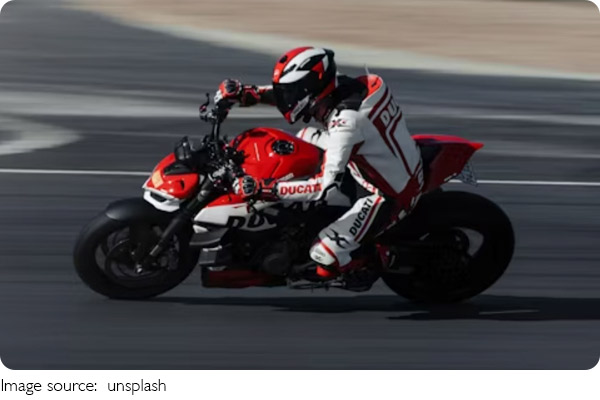
Sport bikes typically use lower handlebars and higher, rear-set foot controls, creating a more forward-leaning position. This setup supports active control but requires the rider to maintain greater forward flexion through the hips and torso.
During longer rides, holding this position can contribute to fatigue, particularly if the rider develops excessive tension in the shoulders, arms, or lower back. A relaxed grip, stable posture, and appropriate body positioning can help distribute physical effort more effectively.
Cruisers
Cruisers commonly combine a low seat with forward-mounted foot controls and handlebars that may sit closer to the rider. The result can feel relaxed, especially during steady riding.
However, the feet-forward arrangement changes how the legs contribute to body support and movement. On uneven roads, the rider may have fewer opportunities to adjust position through the legs. Seat cushioning, suspension quality, and proper motorcycle fit can therefore play an important role in maintaining comfort.
Duration and Road Conditions
Riding position is only one part of the equation. The length of a ride, road surface, traffic conditions, and the rider’s posture can all affect physical comfort.
Remaining in one position for a prolonged period can increase fatigue even when the initial riding position feels comfortable. Regular breaks, sensible changes in position when safe, and correct motorcycle setup can help manage physical strain during longer journeys.
Finding the Right Fit
There is no universally ideal motorcycle position for every rider. Body proportions, flexibility, riding experience, motorcycle dimensions, and intended use all influence what feels comfortable.
When evaluating a motorcycle, consider how your body feels after sustained riding rather than relying only on a brief showroom or parking-lot impression. Your arms should reach the controls naturally, your legs should have a comfortable relationship with the foot controls, and your torso should remain stable without excessive muscular tension.
Standard, sport, and cruiser motorcycles create distinctly different riding positions, and those differences can affect physical comfort over time. The best choice is not simply the motorcycle with the most relaxed appearance or most aggressive design, but the one that fits your body and allows you to maintain a controlled, comfortable posture throughout your typical ride.