Azores Food Journey

Ravish Kumar
| 14-09-2026
 · Food Team
The Azores are a destination where food tells the story of the islands themselves. Located in the middle of the Atlantic Ocean, this Portuguese archipelago has developed a unique culinary identity shaped by isolation, volcanic landscapes and generations of resourceful farmers, fishermen and producers.
Across the nine islands, local traditions are closely connected to the surrounding environment. Seafood from the Atlantic, pasture-raised dairy products, volcanic vineyards and rare agricultural products reveal how communities have transformed a remote location into one of Europe’s most distinctive food destinations.

A Cuisine Born from the Islands
The Azores’ culinary traditions developed through a combination of Portuguese heritage, maritime trade and the need to make the most of local resources. Settled by Portugal in the 15th century, the islands became an important stop for ships travelling between Europe, Asia and the Americas.
These connections introduced new spices, crops and cooking techniques. However, the distance from mainland Europe also encouraged each island and even individual villages to develop their own variations of traditional dishes.
Local guide José Pedro Quadros explains that islanders have always depended on what was available around them. The result is a cuisine based on simplicity, quality ingredients and careful preparation.
One example is lapas, or grilled limpets, a traditional seafood dish served with garlic, parsley and pimenta da terra — a salted red pepper paste unique to the Azores. Once considered a simple meal for poorer communities, limpets are now recognised as a local delicacy.
São Jorge: Cheese, Coffee and Tradition
São Jorge is one of the best islands for discovering authentic Azorean flavours. Known for its dramatic landscapes and green pastures, the island produces some of the region’s most famous foods.
São Jorge cheese has been made for centuries and received Protected Designation of Origin status in 1986. Produced using milk from pasture-raised cows, the cheese develops different flavours depending on its ageing period, from soft and creamy varieties to stronger, more complex versions.
Farmers continue to use traditional methods, with many producers emphasising the importance of volcanic soil, sea air and local grasses in creating the cheese’s distinctive character.
The island is also home to an unusual coffee tradition. At Café Nunes in the village of Vimes, the Nunes family grows Arabica coffee at almost sea level, despite coffee usually being cultivated at much higher altitudes.
The beans are dried and roasted by hand, producing a coffee with rich, nutty flavours. Visitors can enjoy it alongside espécies biscuits, a local pastry made with anise and cinnamon.
São Miguel and Volcanic Cooking
São Miguel, the largest island in the Azores, offers another unforgettable culinary experience: cozido das furnas.
This traditional stew is prepared using natural volcanic heat. Large pots filled with meat, vegetables and local ingredients are placed underground near geothermal areas and slowly cooked for several hours.
The result is a rich and comforting dish featuring ingredients such as chicken, sausages, cabbage, carrots and sweet potatoes.
The cooking method reflects the relationship between island communities and the powerful natural forces beneath the landscape.
Planning an Azores Food Trip
The best time to visit the Azores is generally from May to October, when weather conditions are ideal for hiking, island exploration and outdoor dining.
A comfortable budget is around €100–180 per person per day. Accommodation ranges from approximately €70–150 per night for mid-range hotels and guesthouses, while meals at local restaurants usually cost €15–40 per person.
Because the islands are spread across the Atlantic, renting a car is highly recommended. Daily rental prices generally start from around €35–60, depending on the season.
Travellers should also plan time for whale watching, volcanic hiking routes, thermal springs and coastal walks.
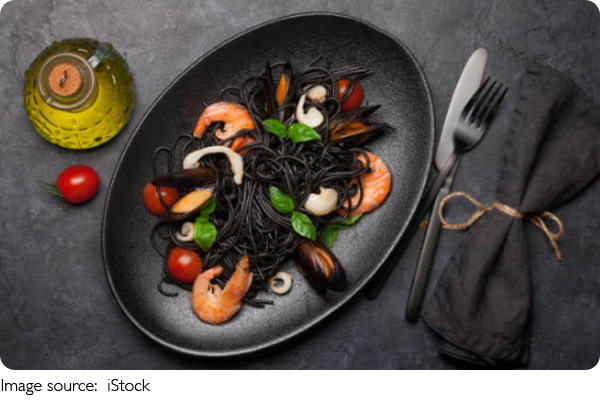
A Taste of the Atlantic
The Azores offer more than a food holiday — they provide an opportunity to experience a culture shaped by nature and resilience.
For travellers searching for authentic experiences away from crowded destinations, the Azores combine extraordinary landscapes with a culinary tradition that remains deeply connected to the land and sea.