September Jam Season

Amit Sharma
| 17-09-2026
 · Food Team
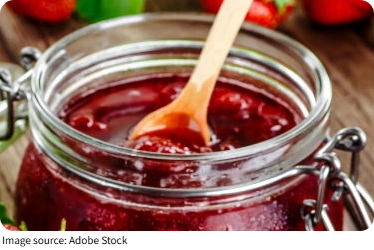
Jam-making always seems to belong to autumn or winter, when the kitchen is warm and the windows begin to steam. The problem is that the best fruit arrives much earlier, forcing keen preservers to work while summer produce is still at its peak.
By September, however, the balance becomes almost perfect: the weather is cooler, while figs, plums and grapes are ready to be transformed into jars of concentrated seasonal flavour.
Why September Is Ideal
The preserving season begins gradually in late spring and early summer with softer fruits. Rhubarb, strawberries and apricots work especially well with elderflower, while cherries are flexible enough to pair with a wide range of flavours.
Blackcurrants can be given extra depth with young bay leaves, while peaches pair beautifully with fennel fronds. These combinations add freshness and complexity without overpowering the natural character of the fruit.
By September, the selection changes. This is when some of the most rewarding fruits for jam-making become widely available, particularly plums, grapes and figs.
Plums Love A Little Spice
Plums are among the most versatile fruits for preserving because different varieties can handle surprisingly strong spices. Cassia bark, star anise and cloves can all work well, especially with darker, richer plums. The key is restraint: the fruit should remain the main flavour, with spices adding warmth rather than dominating the jar.
Late-summer plums are particularly useful because their natural balance of sweetness and acidity makes them suitable for everything from simple jams to more aromatic preserves.
Grapes Need More Than Sweetness
Grapes can be more difficult. Many commercially grown varieties are selected primarily for sweetness, while good jam usually benefits from some acidity and a more distinctive flavour.
Fragola grapes are especially prized because they have an intense, musky aroma often compared with wild strawberries. They can be difficult to find and may appear only briefly during the season, which makes preserving them particularly worthwhile.
A successful grape jam should taste more complex than fresh table grapes, combining sweetness with enough sharpness to keep the flavour lively.
Figs Make Rich Autumn Jams
For many jam-makers, figs are the highlight of September. Dark Bursa figs are especially good for preserving because their naturally honeyed flavour needs very little support. Cardamom works particularly well, adding a cool aromatic note that balances the fruit’s sweetness.
Another option is Earl Grey tea, which brings delicate citrus and floral notes to fig jam. The combination works because the tea adds fragrance without masking the fruit itself.
Figs are also naturally soft, which helps them break down easily during cooking and produce a rich, smooth preserve.
Preserving Summer For Winter
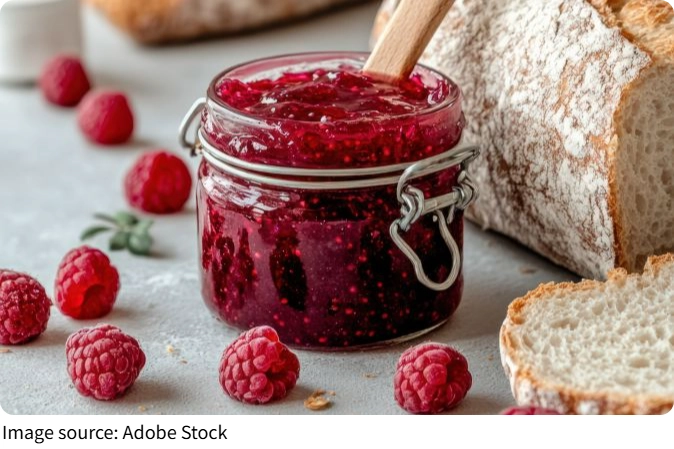
The appeal of jam-making is not simply about preventing fruit from going to waste. A jar opened months later can bring back the flavour of a particular season long after fresh fruit has disappeared from markets.
That is why September often becomes the busiest preserving month. Cooler days make standing over a bubbling pan more comfortable, while late-summer produce is still abundant and full of flavour.
Making enough jam to last through winter can feel excessive while the kitchen is surrounded by boxes of ripe fruit. Yet those jars rarely seem excessive once the colder months arrive. A spoonful of fig, plum or grape preserve can turn breakfast into a reminder of summer — which is exactly why the work is worth doing.